In this blog post, I delve into the fascinating realm of emotions and the profound impact that our emotions have on our pets. Humans can experience a wide array of emotions, and our animal friends are not immune to the subtle nuances of our feelings. Join me as I consider how our emotional states can influence the well-being of our beloved pets.
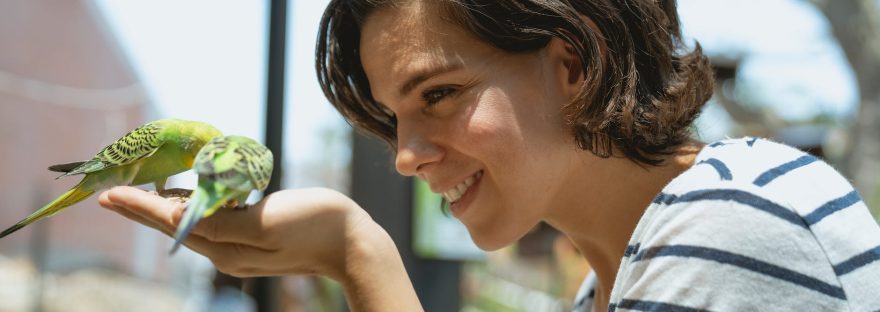
At the heart of every connection lies a subtle yet powerful force – energy. Animals possess an innate ability to sense and respond to the energy that surrounds them. Whether it’s a domesticated pet or a wild creature, the vibes we emit play a crucial role in shaping the dynamics of our interactions. Understanding and managing our energy can be the key to creating harmonious connections and fostering mutual respect between species.
The Language of Emotions:
Our pets may not use the same spoken words as us, but we know that they naturally communicate telepathically. Telepathy is the exchange of emotions or feelings over distance (‘tele’ = distance; ‘pathy/pathos’ = emotions). When we consider this, it’s not surprising that our pets respond so quickly to human behaviour and emotional cues.
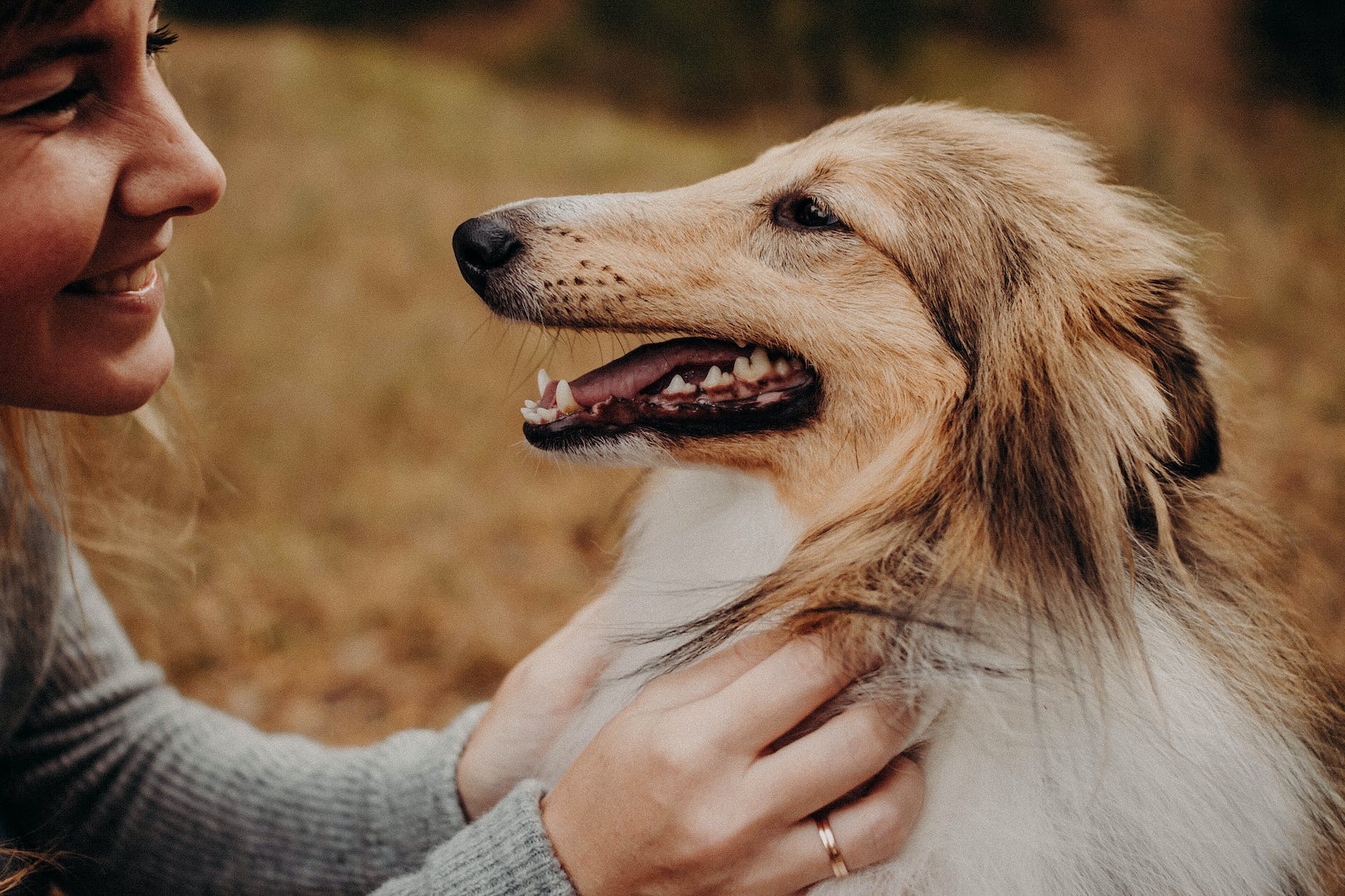
Dogs and horses especially have a remarkable ability to discern human emotions through our body language, tone of voice, and facial expressions. This unique sensitivity is beneficial when we want to train them. However, because they so readily pick up on our joy, sadness, stress, or anxiety, we can also shape their responses and behaviours in unintended ways.
Respecting boundaries:
Just as humans appreciate personal space and boundaries, animals do too. Pay attention to their cues and body language. If an animal appears uneasy or stressed, it may be signalling discomfort with the energy in the environment. Maybe someone is too close physically, or perhaps they are simply picking up on a desire to connect which feels overwhelming to them.
Respect their boundaries, and allow them the space they need. This includes being aware of their energetic boundaries. If we have a strong desire to connect, a dog or horse will feel our energy ‘reaching out’ just as strongly as if we had physically approached them.
This is also true when we are walking in a forest, woods or fields. All of the beings in that place will pick up on our energy long before we even physically arrive in their space. If we are distracted, our thoughts and emotions are just like a loudspeaker, broadcasting to all the living things in that place. Next time you go to a wood or a forest, I invite you to use this mantra from my teacher, Jon Young. “Right now, is my field of disturbance greater than my field of awareness; or is my field of awareness greater than my field of disturbance?”
Recognising the Signs:

If your domesticated pets exhibit changes in behaviour, appetite, or energy levels, it is possible that your emotional state may be influencing them. Dogs especially are known to exhibit signs of stress such as pacing, whining or excessive barking when they sense their owners are under a great deal of pressure. Also if you are anxious about their behaviour you will inadvertently increase their anxiety. Now they are picking up your feelings of anxiety and that makes them even more anxious. To them it seems that you have just confirmed to them that there is a reason to feel anxious.
The more that you become aware of and familiar with your own emotional landscape, especially recognising old trauma responses, the more you might start to notice these responses being mirrored back to us by your animal companions. As you notice these patterns emerging more and more, stop and ask yourself whether there is some emotion within you that could be affecting them.
If the answer is ‘yes’, please don’t feel guilty. Insta see it as an opportunity to make things better for your animal. Now that you have brought consciousness to your own emotions, you are in the driving seat. You now have the power to create a calm environment for your pet.
This simple yet profound shift can transform your interactions from mundane to magical.
Empathy and Companionship:

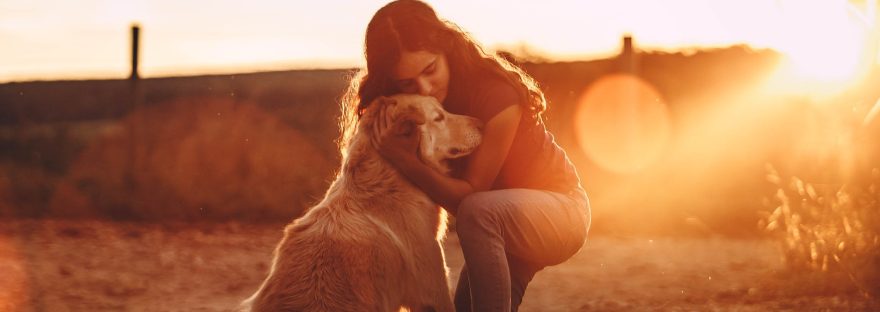
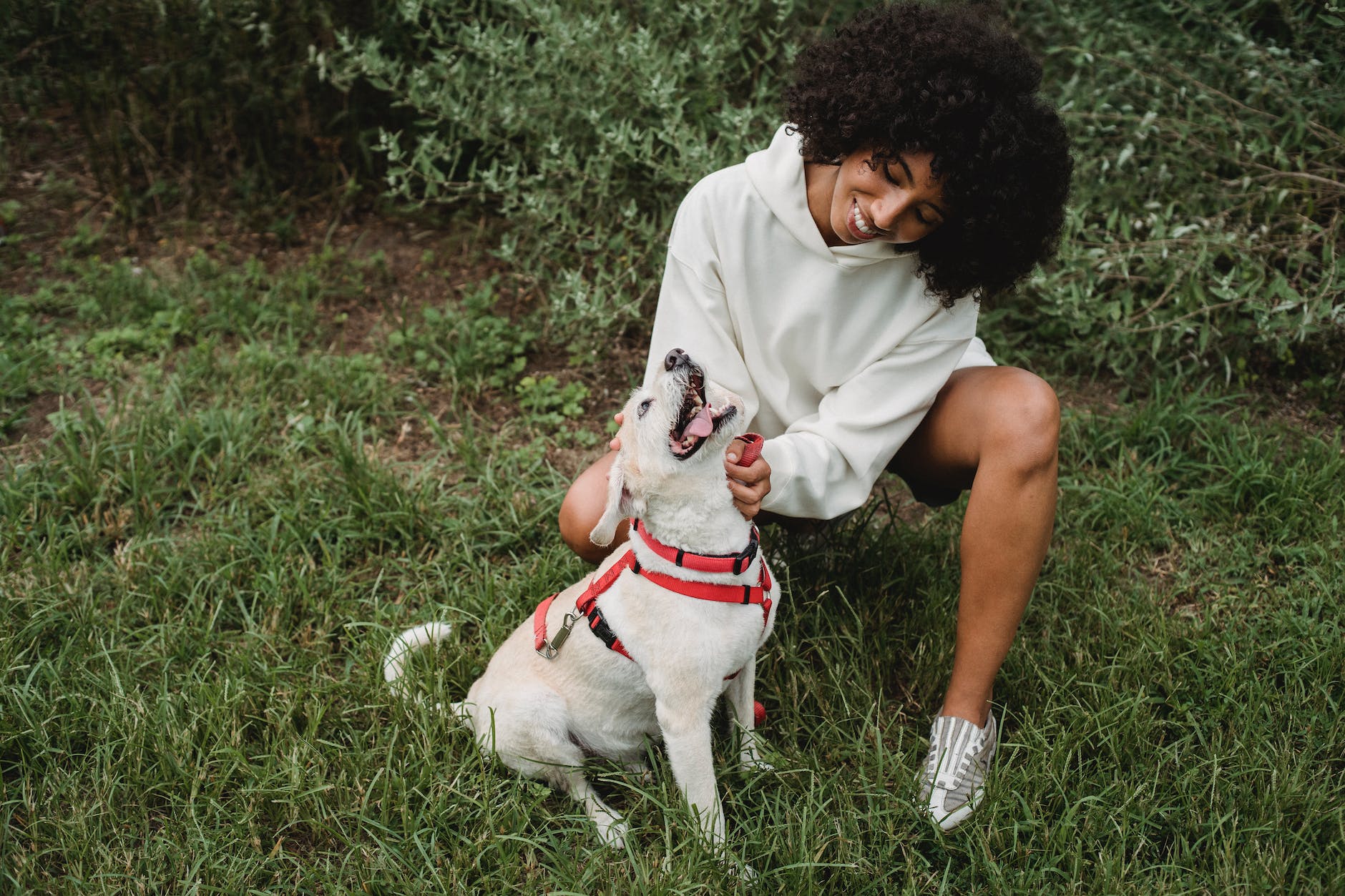
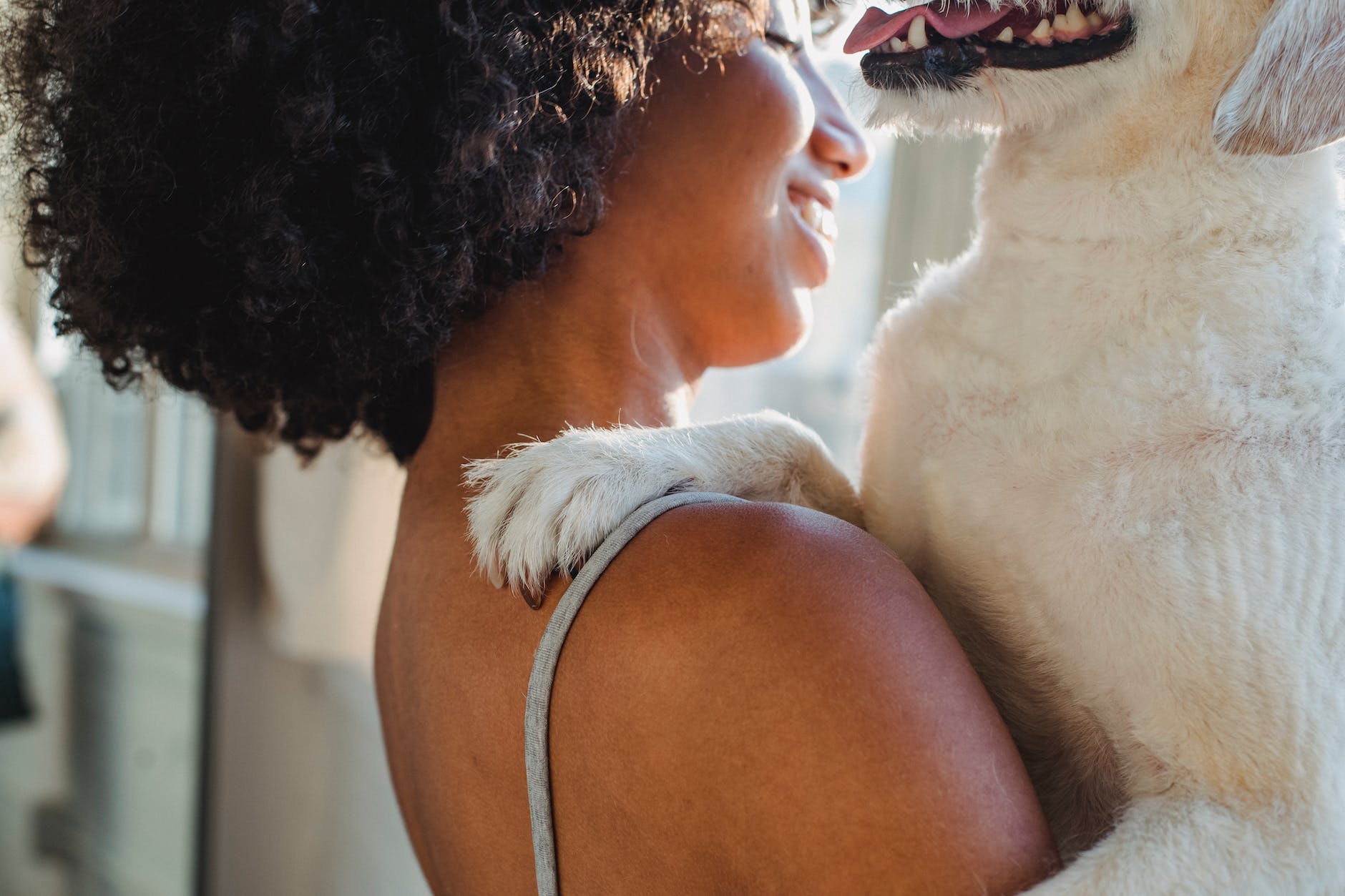
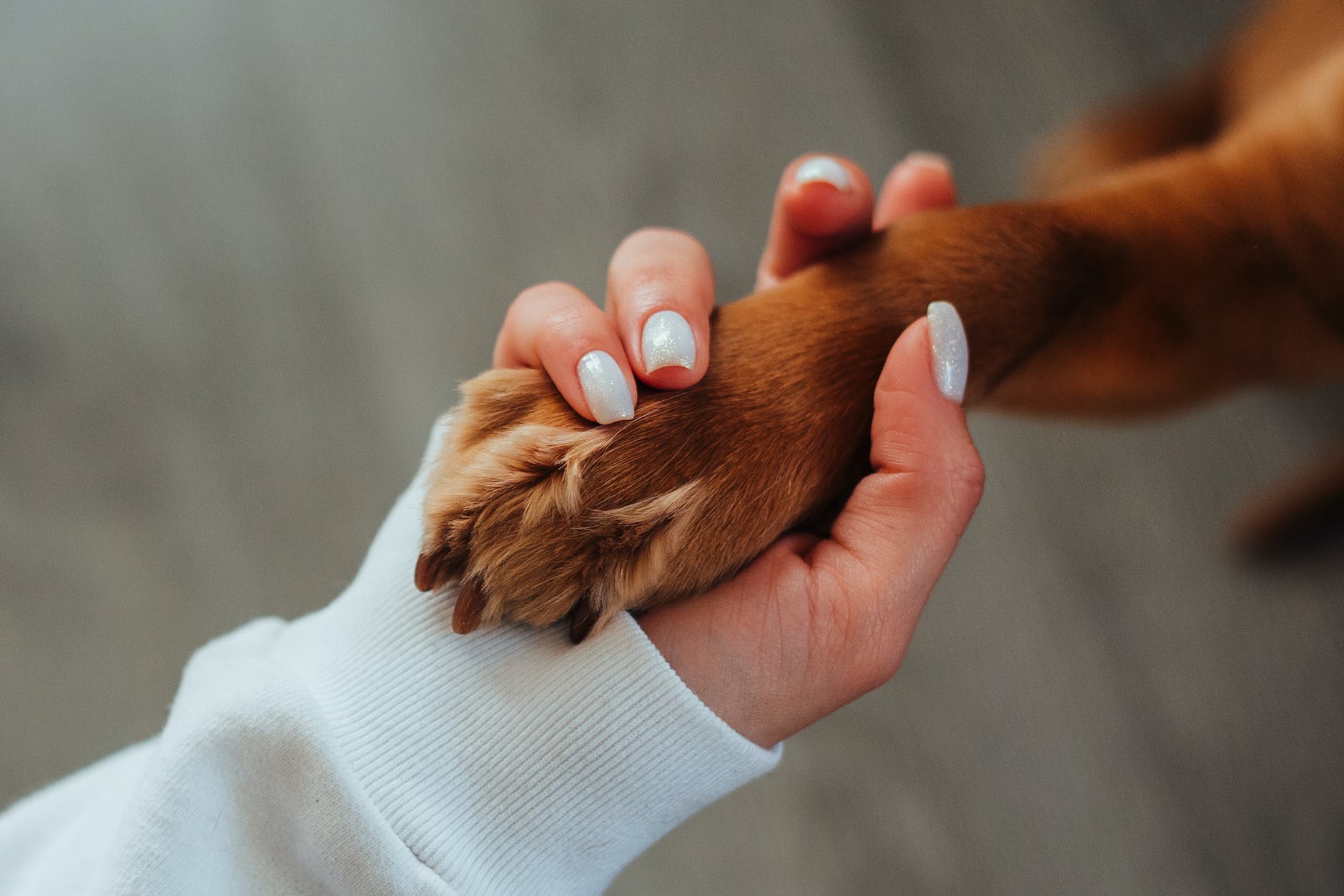
This exchange of emotions between us and our pets works both ways. Because they are so attuned to our emotions, pets also display remarkable empathy. How often have you noticed that when you’re feeling jubilant or low-spirited, your furry friend responds with affection, or provides a comforting presence? This empathetic exchange fosters a sense of companionship that transcends words. Creating a unique bond that contributes to the overall well-being of both humans and animals.
Emotional awareness and animal communication:
When communicating telepathically with the animals in your life, it is vital to be aware of this emotional interconnectedness. If you are feeling sad, stressed or you’ve just had a difficult conversation with another human, rather than sit down to have a chat with them take some time out and reset your emotions before attempting to communicate telepathically. This ensures that the emotions you’re feeling do not cloud the communication. When we are filled with emotion ourselves, whether that is anger or love, the telepathic communication with them will either be their response to our emotions or be ‘coloured’ by those feelings. Either way we are not providing a clear space for them to express exactly how they feel, or what they are thinking.
Supportive practices:
You might recognise the truth in much of what I’ve said and you could be thinking, “it’s all very well saying ‘just manage your emotions’ but how do you do that?”
There are a number of practices and daily rituals that can support greater emotional awareness and that help to bring our emotions back to a more neutral place.
Mindfulness:
Practising mindfulness is a powerful tool in managing our energy around animals. Whether it’s through meditation, deep breathing, or simply being present in the moment, mindfulness helps us regulate our emotional states. By cultivating mindfulness, we can create spaces of tranquillity that benefit both us and our animal companions.
Sit Spot:

Spending time sitting quietly in nature, even your humble backyard or balcony, is enormously supportive of being emotionally peaceful. Connecting with nature is shown to have a wide range of health benefits. It reduces our blood pressure, lowers cortisol (the stress hormone) and raises our oxytocin levels. You could even introduce this to your daily dog walk. Your pet will love sitting quietly with you simply observing nature doing its thing.
Yoga or meditation:
Both of these two practices often include a breathing technique that helps to quieten the mind and bring our emotions (and our pulse rate) back to a relaxed state.
Equine facilitated therapy:

Working face-to-face with horses helps us to become aware of our emotional state, even when it’s not obvious to us. Horses are extremely emotionally sensitive. They are the most accurate barometer of whether we are emotionally calm and aligned, or not. It is no wonder that EFT (equine facilitated therapy) is becoming increasingly popular.
I will be offering a course on 8-10 March in Coffs Harbour, NSW, Australia called ‘Healing with Horses’. This workshop provides the opportunity to explore your own emotional wounds and unconscious reactions. You will be guided by a herd of horses (and their human co-facilitator). We will also be weaving animal communication into the weekend, so that we can see immediately the positive impact that emotional healing has on our animal communication abilities.
If you have an animal that is showing signs of stress or separation anxiety, please email me or book a free discovery call and we can explore how animal communication could help them.
Conclusion:
In the intricate tapestry of the animal kingdom, energy is the thread that binds us all. By consciously managing our energy around animals, we open doors to richer connections, deeper understanding, and a world where humans and animals coexist in harmony. Let us embark on this journey of awareness, mindfulness, and compassion, as we strive to create a more empathetic and interconnected world for ourselves and our animal companions. Together, we can unlock the true potential of the incredible bond between humans and animals.
Photos: ahancoo.at Pixabay; Barbara Olsen at Pixabay; Helena Lopes at Pexels; Richard Savickas at unsplash